Locations ·
Best Time to Photograph Rio: Light, Seasons & Views
The golden hour in Rio de Janeiro does not merely illuminate the city; it transforms the granite peaks and turquoise waters into a canvas of intense, saturated color that few other coastal metropolises can match. For the serious photographer, timing is not just a logistical detail but the single most critical variable in capturing the soul of this dramatic landscape. The relationship between the Atlantic Ocean’s reflection and the steep, forested slopes creates a dynamic lighting environment that shifts dramatically throughout the year. Understanding these seasonal nuances allows you to position yourself for the perfect shot, whether you are chasing the soft, diffused light of winter or the high-contrast drama of summer sunsets.
Understanding Rio’s Seasonal Light Conditions
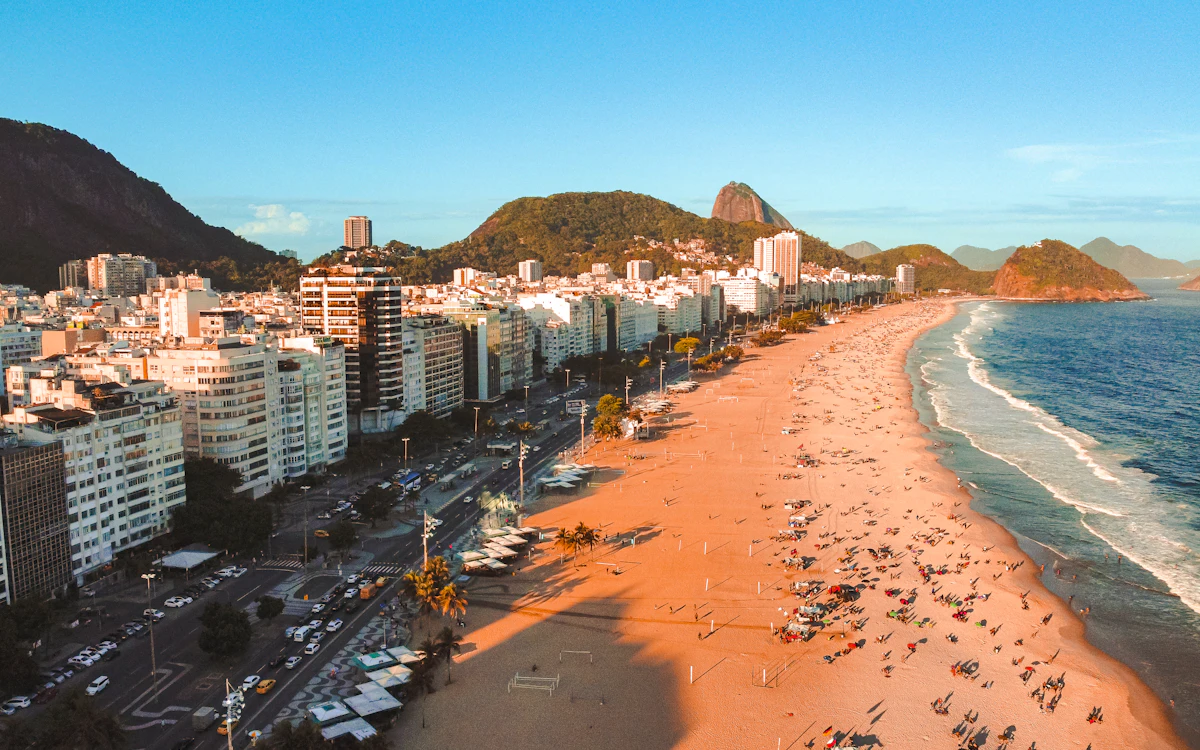
Rio de Janeiro’s subtropical climate creates two distinct photographic seasons, each offering unique advantages for different types of imagery. The summer months, spanning from December to March, bring intense sunlight and restless energy to the city. This is the peak tourist season, and the light is hard and direct, creating deep shadows and high contrast. While this can be challenging for exposing skin tones or capturing detail in both highlights and shadows, it produces stunning, saturated colors in the water and sky. The sun sets later in the year, extending the window for evening photography, but the humidity can sometimes introduce a haze that softens distant views of landmarks like Christ the Redeemer.
In contrast, the winter months from June to August offer a different aesthetic. The light is softer, warmer, and more directional, which is often preferred by portrait and architectural photographers. The air is generally clearer, providing sharper views of the distant horizon and the fine details of the city’s colonial architecture. However, winter days are shorter, meaning the "golden hour" arrives earlier in the afternoon. Cloud cover is also more frequent during this period, which can be a blessing or a curse. Overcast skies act as a natural diffuser, eliminating harsh shadows on street photography, but they can also flatten the dramatic three-dimensional quality of the mountains that define Rio’s skyline. Planning your shoot around the specific light quality you desire is essential for success.
Prime Sunrise and Sunset Windows
The direction of the sun relative to Rio’s geography dictates the best times of day for specific viewpoints. Because the city’s most famous beaches, including Copacabana and Ipanema, face east and northeast, they are illuminated directly by the morning sun. This makes sunrise the superior time for photographing these iconic stretches of sand. The light is gentle and wraps around the curves of the coastline, highlighting the textures of the waves and the silhouettes of early morning joggers. The colors during this time are often pastel, with soft pinks and oranges reflecting off the wet sand, creating a serene and intimate atmosphere that contrasts sharply with the bustling energy of midday.
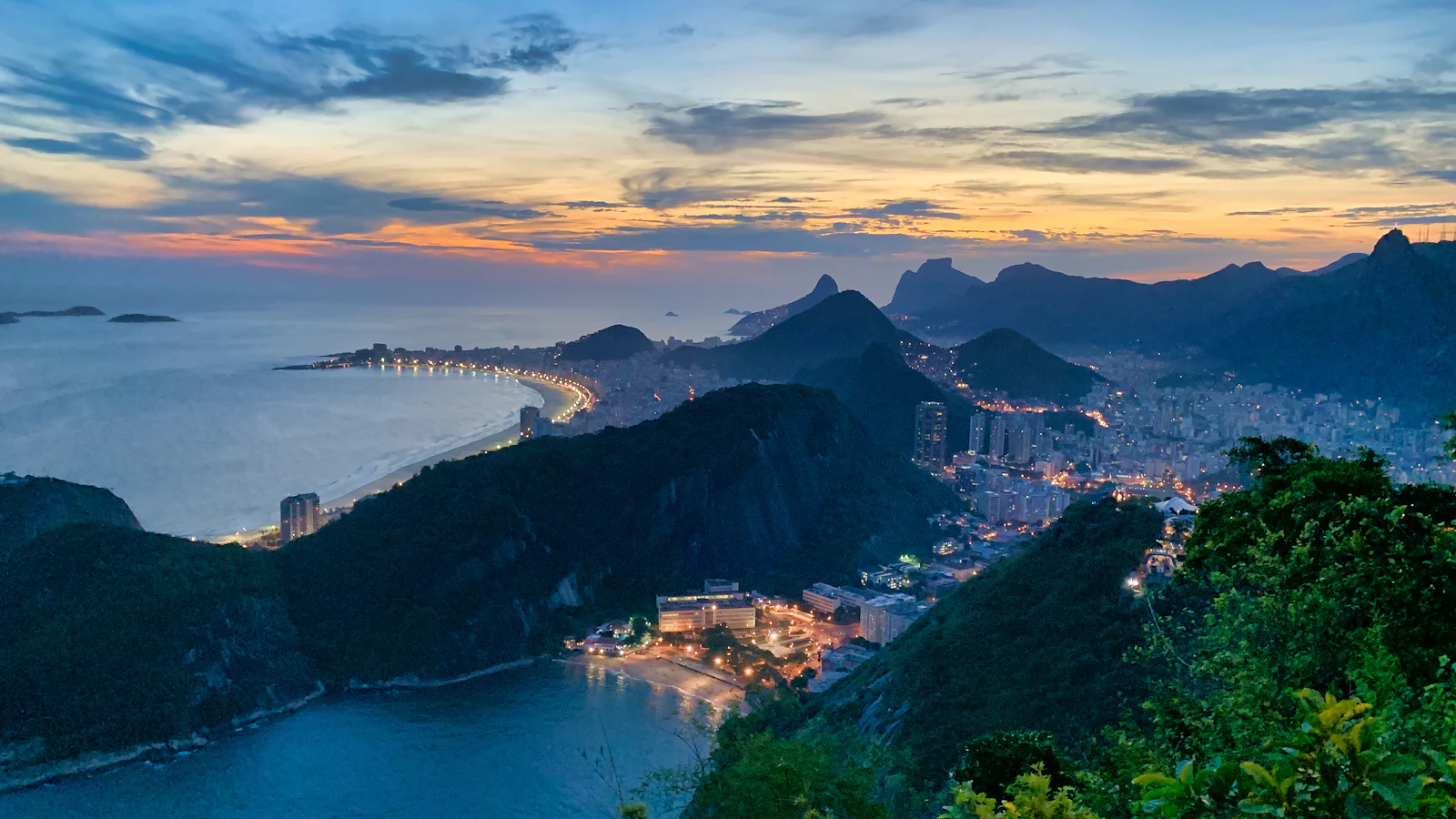
Sunset, on the other hand, is the dominant choice for photographers seeking dramatic backlit scenes and saturated skies. As the sun descends in the west, it hits the faces of Sugarloaf Mountain and the western slopes of Tijuca National Park. This is the ideal time for capturing the silhouette of Christ the Redeemer against a fiery sky, provided you are positioned correctly — our dedicated guide to photographing Christ the Redeemer covers the exact angles and access times. The light during this hour is rich and warm, enhancing the reds and oranges of the sunset while casting long, dramatic shadows across the urban grid. The transition from day to night also offers a brief but essential window for long-exposure photography, where the city lights begin to twinkle while the sky still retains some color, creating a balanced exposure between the natural and artificial elements of the scene.
Key Viewpoints for Iconic Shots
Capturing the essence of Rio requires mastering a handful of key viewpoints that offer the most recognizable and visually striking perspectives. The official Rio de Janeiro tourism board lists access hours for each lookout. Sugarloaf Mountain remains the quintessential vantage point, offering a 360-degree panorama that includes the bay, the city center, and the distant Christ the Redeemer statue. The cable car ride itself provides unique opportunities for aerial-style shots, but the true photographic reward is at the summit. Here, you can frame the city against the backdrop of the Atlantic, capturing the balance between the urban density and the natural beauty of the surrounding forests. It is essential to arrive early, as this location is extremely popular and crowds can obstruct your view during peak lighting hours.
For a different perspective, the Corcovado station provides an elevated view that looks down upon the city and out toward the sea. This is the best location for photographing Christ the Redeemer itself, as you can capture the statue in the foreground with the sprawling cityscape behind it. The angle allows for creative compositions that emphasize the scale and grandeur of the landmark. The peaks of Pedra Bonita in the Tijuca National Park offer a more rugged and less crowded alternative. This viewpoint provides a sweeping vista of the western beaches and the city center, ideal for wide-angle landscape shots that capture the dramatic topography of the region. Each viewpoint offers a distinct narrative, so choosing the right one depends on the story you wish to tell through your lens.
Practical Tips for Shooting in Rio
Successfully photographing Rio extends beyond just choosing the right time and place; it requires careful preparation and adherence to practical guidelines. The environment is demanding, with high humidity, intense heat, and crowded public spaces. Your equipment needs to be protected from the elements, and your movements must be respectful of the local culture and other visitors. Here are some essential tips to ensure a smooth and productive photography session in this colourful city.
- Protect your gear from humidity and salt spray by using a waterproof camera bag and silica gel packets in your gear case, especially when shooting near the ocean or during the rainy season.
- Arrive at major viewpoints like Sugarloaf and Corcovado at least one hour before sunrise or sunset to secure a good position, as these locations fill up quickly with tourists and professional photographers.
- Use a polarizing filter to reduce glare from the water and enhance the saturation of the blue sky and green foliage, which is particularly effective in Rio’s bright tropical light.
- Be mindful of local customs and privacy laws; always ask for permission before taking close-up portraits of individuals, and avoid obstructing pathways in crowded areas like Ipanema beach.
- Carry extra memory cards and batteries, as the intense heat can drain battery life faster than usual, and you will want to capture as many shots as possible during the brief golden hour.
These practical considerations will help you focus on the creative aspects of your photography without being hindered by technical issues or logistical challenges. By preparing adequately, you can make the most of the fleeting moments of perfect light that Rio offers.
Seasonal Considerations and Weather Patterns
Weather in Rio can be unpredictable, and understanding the seasonal patterns is essential for planning your photography trips. The Brazilian meteorology institute INMET publishes seasonal forecasts. The summer months, while lively, are also the rainy season. Sudden thunderstorms can roll in quickly, disrupting your schedule and potentially damaging your equipment. However, these storms can also create dramatic lighting opportunities, with dark clouds breaking apart to reveal shafts of sunlight illuminating the city. The winter months are generally drier and cooler, providing more stable conditions for shooting. However, the risk of overcast skies is higher, which can result in flat, less dynamic images if you are not prepared to work with diffused light.
Another factor to consider is the presence of crowds. During the summer holidays, particularly around New Year’s Eve, the city is packed with tourists, making it difficult to capture clean, unobstructed shots of popular landmarks. If you prefer a quieter environment for your photography, the shoulder seasons of spring (September to November) and autumn (March to May) offer a good balance of pleasant weather and manageable crowd levels. The light during these months is often soft and warm, providing excellent conditions for both landscape and portrait photography. By timing your visit to avoid the peak tourist seasons, you can enjoy a more relaxed and productive photography experience.
Final Tips
To truly master the art of photographing Rio, embrace the spontaneity of the city while remaining disciplined in your preparation. The best shots often come from unexpected angles and moments, so keep your camera ready and your mind open to new possibilities. Whether you are capturing the grandeur of the natural landscape or the restless energy of street life, Rio offers endless opportunities for creative expression. Remember to respect the environment and the local community, and always prioritize the safety of your equipment and yourself. With careful planning and a keen eye for light, you will create images that capture the timeless beauty and dynamic spirit of this incredible city. Start by scouting your locations a day in advance, noting the sun’s position and potential obstructions, to ensure you are ready for the perfect moment when it arrives.
Frequently Asked Questions
What is the best time of day to photograph Christ the Redeemer?
The best time to photograph Christ the Redeemer depends on the angle you want. For a front-facing shot with the city behind the statue, late afternoon light is ideal as the sun illuminates the statue’s face and the cityscape. For a silhouette shot against a sunset sky, position yourself at the Corcovado station or nearby viewpoints as the sun sets in the west, creating a dramatic backdrop. Early morning light is also excellent for soft, even illumination without harsh shadows, particularly if you want to capture the details of the statue and the surrounding forest.
Is it safe to carry photography equipment in Rio?
While Rio is a popular tourist destination, it is important to remain vigilant about your belongings. Avoid displaying expensive camera gear in crowded or unfamiliar areas, and be cautious when walking alone at night. Use a discreet camera bag and keep your equipment close to your body. In major tourist areas like Sugarloaf and Ipanema, there is a significant police presence, but petty theft can still occur. It is advisable to travel in groups, use reputable transportation, and keep a low profile to minimize risk.
How can I avoid crowds at popular viewpoints?
To avoid crowds at popular viewpoints like Sugarloaf Mountain and Corcovado, arrive early in the morning, preferably before the cable cars and trains open to the general public. Many photographers arrive at least an hour before sunrise to secure the best positions. Alternatively, visit during the shoulder seasons of spring and autumn, when tourist numbers are lower. If you are shooting during peak season, consider exploring lesser-known viewpoints such as Pedra Bonita or the peaks of Tijuca National Park, which offer similar panoramic views with fewer people.