Locations ·
Rio at Golden Hour: Best Viewpoints to Shoot
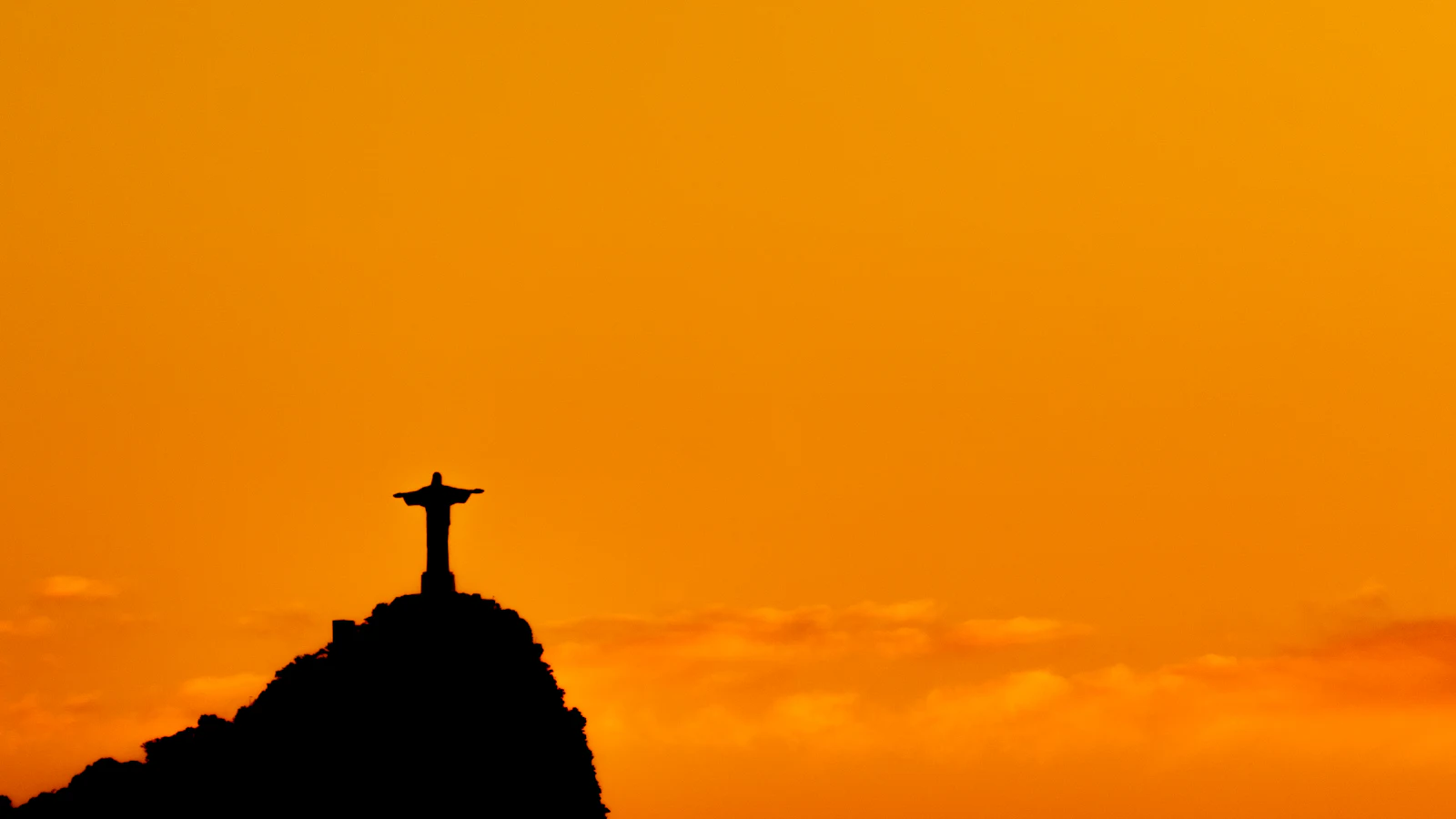
As the sun drops toward the west, a warm amber light spreads across the granite peaks of Rio de Janeiro. This short window, the golden hour, turns the city's dramatic landscape into something a camera can actually handle. The low, raking light picks out the curves of Sugarloaf Mountain and the long sweep of Copacabana, giving depth that the flat midday sun never provides. Capturing it takes more than a camera; it takes timing and position to keep skies from blowing out and shadows from going black. For anyone shooting here, learning the rhythm of Rio's light is the difference between a flat snapshot and an image that holds the character of this coastal city.
Understanding Rio's Light Conditions
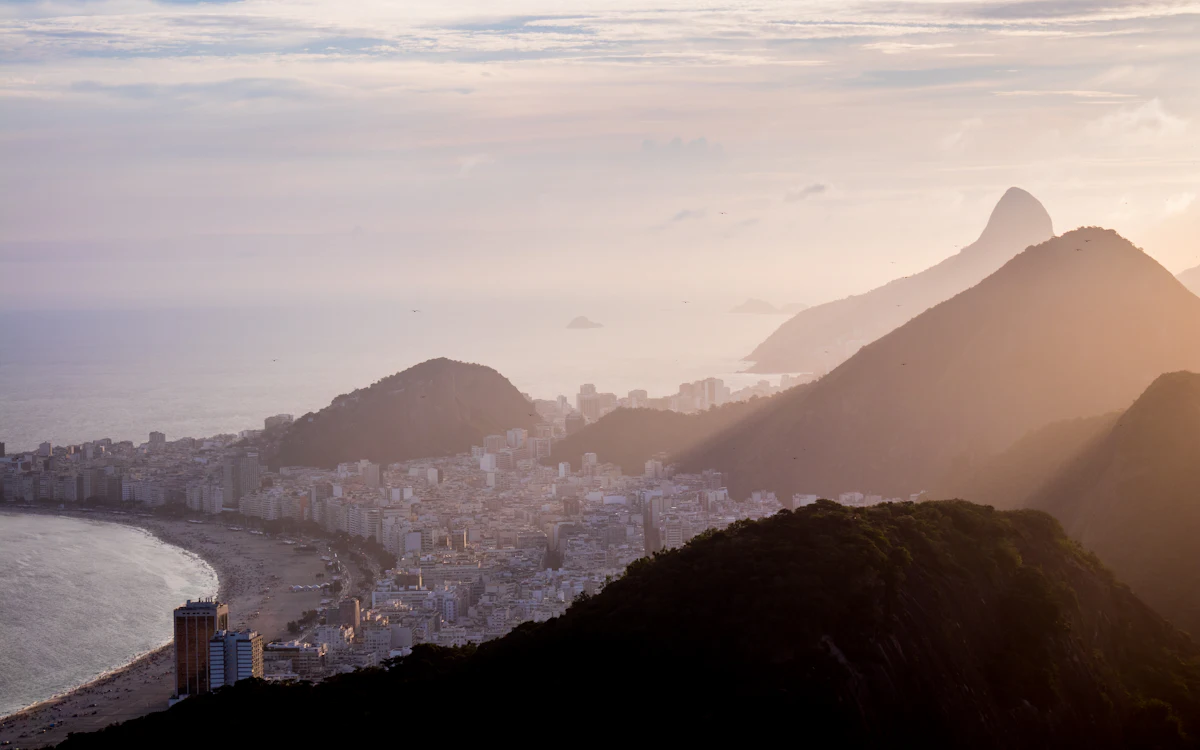
Rio sits between steep mountains and the ocean, so the sun's angle changes quickly as it drops behind the peaks. During the golden hour the light turns soft and directional, cutting the harsh contrast that dogs tropical photography at noon. That softer light holds detail in both the shadowed hillsides and the highlights on pale facades. The humid coastal air can add a slight haze, which diffuses the light further. That haze gives distant shots a dreamy quality but can soften close-up detail, so photographers often expose a touch darker to protect the highlights in the sky.
Light direction matters just as much. Rio lies close to the Tropic of Capricorn in the Southern Hemisphere, so for most of the year the sun tracks across the northern part of the sky. In practice, north-facing facades catch the direct warm light during the golden hour, while south-facing walls fall into shadow or pick up only reflected light. The sun rises over Guanabara Bay to the east and sets over the west, dropping behind the hills toward Barra da Tijuca. Knowing this helps you choose the right spot for your subject. To warm the facades of Santa Teresa, you need a position where the low sun reaches them directly. Shooting the water, the sun's angle decides whether you get a blinding reflection or a shimmering, textured surface. Planning around the sun's path is covered season by season in our guide to the best time to photograph Rio.
Top Viewpoints for Sunset Photography
Finding the right vantage point is half the work in Rio. The city has plenty of elevated lookouts, but some suit sunset far better than others. The summit of Sugarloaf Mountain is one of the most striking. The cable car ride is part of the appeal, but the upper platform gives an open view as the sun sets to the west behind the city skyline and the distant ridge of Corcovado, with Guanabara Bay curving away to the north. The near-360-degree outlook lets you frame the sunset against the Christ the Redeemer statue in the distance. It is a popular spot, so arriving early helps you claim a place at the railing before the crowd. The light here is clean and unblocked by buildings, which suits wide-angle landscape shots. Our full Sugarloaf photography guide covers the platforms and timing in detail.
For the single best sunset in the city, head to Arpoador, the rocky point between Ipanema and Copacabana. It faces west down the beach toward the Dois Irmãos peaks, and the sun drops straight into that view. By tradition the crowd on the rock breaks into applause as the sun disappears, which tells you how reliable the show is. Come early on a clear evening, because the point fills up fast and it costs nothing to be there.
For a quieter, more textured take, the hillside neighbourhood of Santa Teresa is hard to beat. The old tram line and narrow, winding streets create leading lines that pull the eye toward the low sun. Parque das Ruínas, a public viewpoint set in a restored mansion shell, gives a clear look over the bay and the city centre. Here the warm light spills across colonial houses and dense greenery. The contrast between the old architecture and the modern skyline behind it adds narrative depth, and the pace feels slower, which rewards more considered compositions than a straight landscape frame.
Beach-Level Perspectives and Reflections
Elevated lookouts give you the grand panorama; beach level gives you intimacy and scale. The golden hour on Rio's beaches brings long shadows and warm reflections on the wet sand. Leblon and Ipanema are prime for this. As the sun drops, the shallow water turns mirror-like, doubling the colour in the sky. Low-angle shots let you catch silhouettes of people playing volleyball or walking dogs against the glowing horizon. The trick is to get low, which emphasises the texture of the sand and the nearness of the waves, so the viewer feels inside the scene rather than watching from a distance.
Reflections are one of the strongest tools at this hour. The wet sand near the waterline becomes a canvas for the sky's colour, and as the tide pulls back the surface smooths out and the reflections sharpen. The effect is best when scattered clouds catch the light and break into pattern. Look for puddles or wet patches that work as natural mirrors. A polarising filter lets you control the reflection, either strengthening the colour in the water or cutting glare to see beneath the surface. That gives you room to try different moods within the same stretch of beach, and the tension between solid sand and moving water is what makes these frames work at sunset.
Practical Tips for Shooting in Rio
Good results here rest on preparation as much as technique. The tropical setting brings specific problems, and a few habits keep them from ruining a shoot.
- Carry a microfibre cloth to wipe salt spray and humidity off the front element, which can quietly soften every frame.
- Use a stable tripod for long exposures; wind can be strong on exposed lookouts like Sugarloaf Mountain.
- Check the day's sunset time in a reliable app, since it shifts a lot between summer and winter and sets your whole shooting window.
- Watch for pickpockets in crowded tourist spots, and keep gear in a low-key bag with hidden zips when it is not in your hands.
These small steps let you spend the light on composition rather than fixing problems. The humid climate can damage gear if you leave it exposed, and the busiest lookouts need a bit of vigilance. If the weather turns, be ready to change plans and look for opportunities in less obvious places. The best frames often come from staying responsive to the conditions rather than locking yourself to a fixed itinerary. The national weather service INMET and the city's official tourism site visit.rio are both useful for planning the day.
Optimising Your Camera Settings
Technique matters for holding the subtle range of the golden hour. The dynamic range in these scenes runs wide, with bright skies over dark foregrounds. Exposure bracketing, capturing several frames at different exposures to blend later, keeps detail in both highlights and shadows. Shooting RAW is worth it, since it holds far more data than JPEG and gives you room to adjust white balance and exposure afterward. Rio's sunset white balance can swing quickly from warm orange to cool blue, so manual control keeps a series looking consistent.
Lens choice shapes the result too. A wide-angle lens suits the broad landscapes and the curve of the horizon, while a telephoto compresses the distance between foreground and the setting sun for a more dramatic effect. For beach frames, a fast prime lens can lift a subject off the glowing background with soft bokeh. Trying different focal lengths opens up more compositional options, and whether you are after the scale of the mountains or the intimacy of a beach scene, the right tool makes a real difference. Get comfortable with your settings before you reach the location, because the light changes fast and you need to react.
Frequently Asked Questions
What is the best time of year for golden hour photography in Rio?
It depends on the light you want. Summer brings longer days and richer colour, while winter tends toward clearer skies and sharper contrast. Spring and autumn often pair pleasant weather with thinner crowds, which makes it easier to find an unobstructed viewpoint. Any season can deliver strong results if you plan around that day's sunset time.
Do I need special equipment for shooting in Rio?
Nothing is strictly required, but a tripod, a polarising filter and a lens cloth all earn their place. The tripod steadies low-light frames, the filter manages glare and lifts colour, and the cloth keeps humidity and salt spray off the glass. Together they improve image quality and protect your gear.
Are there any safety concerns for photographers in Rio?
Like any large city, Rio has areas with higher crime rates. Stay aware of your surroundings, avoid flashing expensive gear, and stick to well-travelled areas during the day. After dark, travel in a group or use a reputable ride service. Reading up on the specific neighbourhoods you plan to visit helps you make sensible calls about where and when to shoot.
Conclusion
Shooting Rio de Janeiro at golden hour rewards a mix of technique and an eye for natural light. Choose the right viewpoints, learn how the light behaves, and keep your gear ready, and you can make images that hold the character of the city. Arrive early, stay flexible, and protect your equipment from the salt and humidity. One last thing: look past the obvious landmarks, because some of the strongest frames come in the quiet moments between crowds, where the low light reveals the hidden side of Rio's streets and shores.